Water in a boat cabin almost never appears under its entry point. Water travels along hidden paths and collects at the lowest spot it can reach, so the puddle is the end of the trail, not the start. Finding the leak means sorting salt from fresh, drying everything, then testing one suspect at a time.
If water keeps turning up somewhere in your boat and nobody has been able to tell you where it comes from, this is for you.
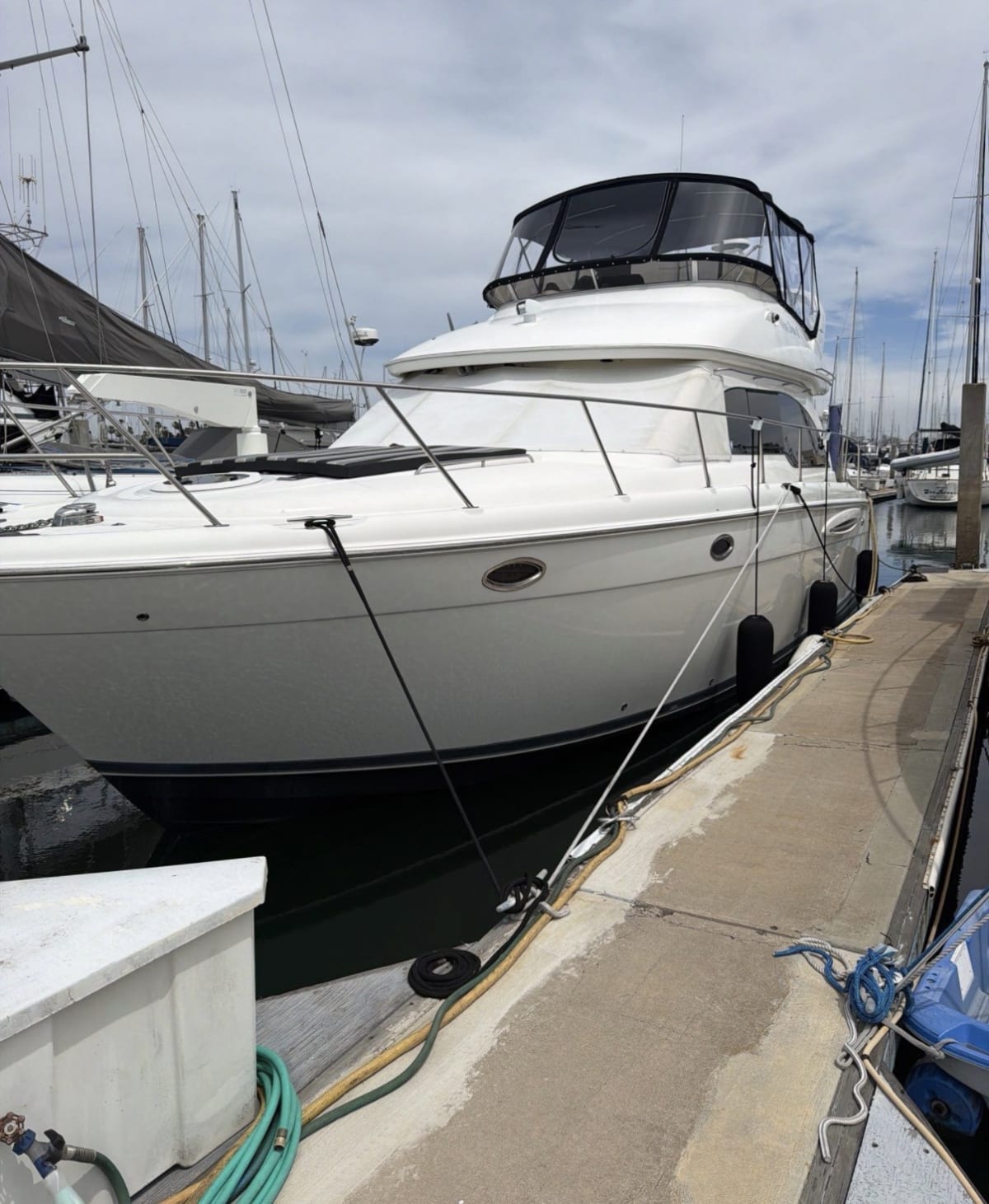
Moisture in a cabin, and a suspect list of one
Ray found dampness in a cabin, and did what every owner does first: suspected whatever was nearest. It is the natural instinct and it is almost always wrong, because boats are built of hidden channels, liners, and low corners, and water uses all of them. By the time it shows itself, it has usually travelled.
So instead of reaching for a tube of sealant and a guess, we worked it as a diagnosis.
How we worked itSalt or fresh, dry it out, then one suspect at a time
First question, always: is it salt or fresh? Touch the water with a clean finger. Salt feels a little sticky as it dries and tastes like the sea. That single test cuts the suspect list in half before you have opened anything. Salt means the ocean found a way in: a deck fitting, a porthole seal, a hull penetration. Fresh means the sky or the boat itself: rain finding a path, or a tank, a hose, an appliance.
Second: dry everything, properly. Panels lifted where needed, a dehumidifier run until the area is genuinely dry, because you cannot track new water across old water. A dry boat is a blank page. The next drop that appears is information.
Third: the suspect list, built by geography. Water obeys gravity, so the entry is above or behind where it collects, along a path that slopes toward your puddle. On this boat that put a deck vent and a run of appliance ducting at the top of the list, two very different suspects that would each leave water in the same low spot.
Fourth: test one suspect at a time, and only one. Run the appliance, then wait and check. Wet one fitting with a hose, then wait and check. Every test either convicts a suspect or crosses it off, and either way you know more than you did. Guessing with sealant does the opposite: it changes the evidence without answering the question, and the leak comes back with its trail hidden.
The puddle is the end of the trail, not the start of it.
The outcomeA shrinking suspect list instead of a growing mystery
The cabin is dry, the suspects are named, and each test rules one in or out on evidence instead of hope. More useful still, Ray now owns the method: salt or fresh, dry it out, list by gravity, test one at a time. The next mystery drip on this boat will be a process, not a saga.
The immediate relief is sleeping aboard again without listening for it. A drip nobody has explained sits in the back of your head every time the boat is left alone in the rain, and getting rid of that is worth as much as the repair.
The method matters more than this particular leak, which is why he ran the tests rather than me. Boats produce a mystery drip every couple of years, and an owner who owns the process solves the next one himself in an afternoon. Handing over the method rather than the answer is the difference between a fix and a capability.
What you can take awayThe puddle is the end of the trail, not the start
Water travels. It runs along stringers, wiring, and headliners and collects at the lowest point it can reach, so the wet spot almost never sits under the entry point. Chasing the puddle wastes weekends. Tracing the path backwards finds leaks.
Sort salt from fresh before anything else. One taste or test cuts your suspect list in half, because salt means the sea or spray found a way in, and fresh means rain, a tank, or plumbing.
Then dry everything completely and test one suspect at a time. A shrinking suspect list beats a growing mystery, and a bead of sealant without a diagnosis just moves the leak somewhere you have not found yet.
The differenceSealant is not a diagnosis
The standard move in this industry is to smear sealant on the nearest seam and hope. Sometimes it even works, and nobody ever knows why, which means nobody knows if it will hold. Elimination takes a little longer the first time and then pays forever: a leak found by method stays found, and an owner who has run the method once can run it on every leak the boat ever grows.