When a boat runs through kelp, the kelp can block the sea water that cools the engine. The engine warms up, the alarm sounds, and many engines cut their own power to protect themselves. It is not a breakdown. It is the boat asking you to slow down and check the strainer.
If you have ever had an overheat alarm after passing through weed, or you could not point to your raw water strainers right now, this is for you.
An alarm, a temperature climbing, and a long way from home
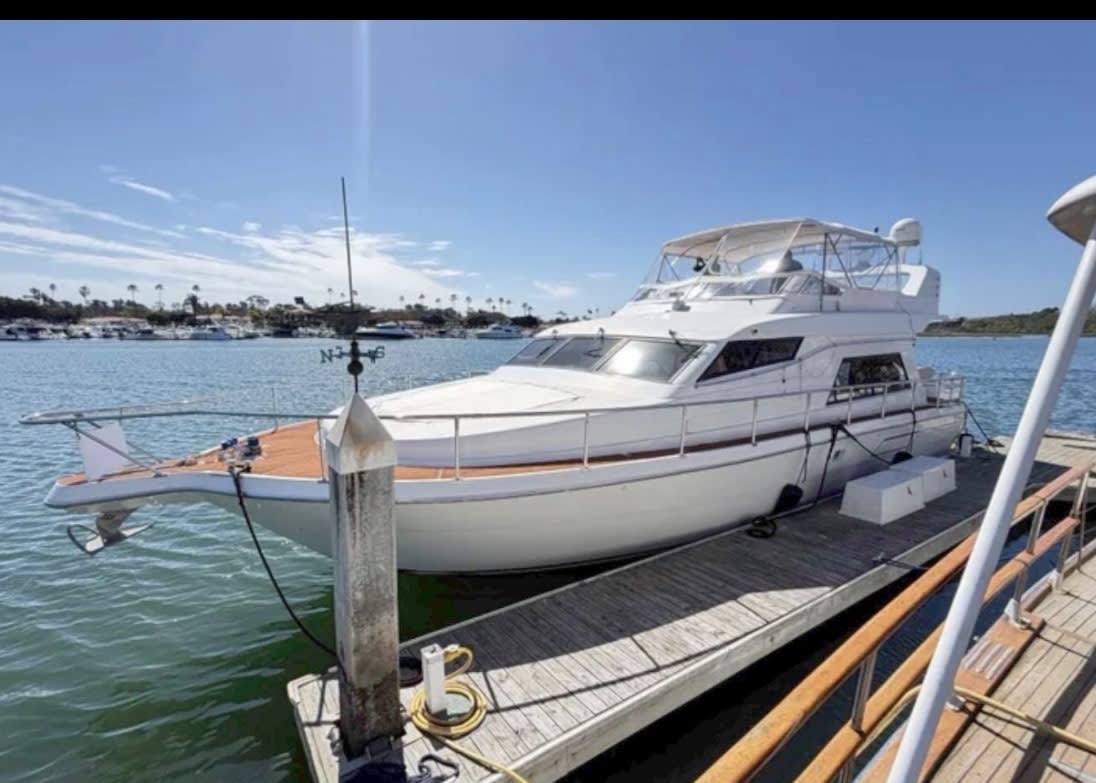
An owner I work with, Ray in these pages, was bringing his boat down the coast when the kelp found him. Overheat alarm on the main engine. Transmission temperature up forty degrees. The engine pulled its own power back. He did the right things: slowed down, watched the numbers, kept his head. But he did them on instinct, not understanding, and that is a lonely way to handle an alarm.
Back at the dock we opened the raw water strainer together. Packed with kelp. The whole drama, explained by a basket of weed.
How we worked itWe followed the water, and the mystery disappeared
Here is the whole system in plain words. Your engine is cooled by sea water. It comes in through a fitting in the bottom of the boat, passes through a strainer whose only job is to catch junk, gets pumped through the engine to carry the heat away, and leaves with the exhaust. Block the strainer and everything downstream runs short of cooling water. The engine warms. The transmission, which shares that cooling water on this boat, warms with it. That is why both numbers climbed together.
The power cut was not a failure either. Modern engines protect themselves: too hot, and they wind their own power back so they do not cook. The boat was never dying. It was defending itself and waiting for someone to clear its airway.
So we cleared it, with Ray's hands doing the work. Seacock closed first, always, because that strainer sits below the waterline and the sea is patient. Lid off. Basket out. Kelp cleared. Basket seated back properly, lid on, seacock open, and water confirmed flowing before we called it finished. Ten minutes, once you have done it once.
Then the part that stops it happening again: the route. Kelp needs sunlight on the seabed, so it grows where the water is shallower. Nothing grows at two hundred and fifty four feet. That is why the local passage plans run deliberately out to deep water before turning down the coast. His new passage plan already does.
The alarm is not the problem. The alarm is the boat telling you where the problem is.
The outcomeFrom scary noise to ten-minute job
Ray can now find both strainers, close the right seacock, and clear a basket himself. The temperature gauges mean something to him, so a glance after passing weed is now part of how he drives. And his passage plan routes around the kelp in the first place, which is the cheapest fix of all. The alarm has gone from a scary noise to a sentence he can read.
Practically, the kelp lines stopped shrinking his map. He runs the routes he wants, keeps half an eye on the gauges through the weed, and a temperature climb is now a ten-minute stop rather than a day that ends early with a phone call.
He found the strainers and cleared the basket himself, with me talking rather than reaching. An alarm is frightening while it is unexplained and routine the moment you know what the boat is telling you, and that shift only happens if the owner does the job once with their own hands. The gauges are his instruments now, not mine.
What you can take awayAn overheat after kelp is the boat talking, not breaking
When the temperature climbs right after running through kelp or debris, think blocked sea water before you think breakdown. The engine cools itself with the water it drinks, and if the intake or strainer is choked, it warms up and says so. Slow down, let it cool, check the strainer.
Follow the water. Cooling problems live along one path, from the hull inlet through the strainer to the pump, and working that path in order turns a scary noise into a short list.
And learn your alarms at the dock, on a calm day, before one goes off at sea. An alarm is only frightening in a language you do not speak.
The differenceAlarms are only frightening in a language you do not speak
Most owners meet their first overheat alarm with pure adrenaline, because nobody ever walked them through what the boat was actually saying. The systems are simple. The explanations are just rarely offered. One session with your hands on your own strainer replaces the fear with a procedure, and procedures do not panic.