Home / Training Maintenance / Onboard Emergency Training
MOB · Fire · Flooding · Loss of Power

Emergency Procedures With Your Family Aboard

The worst time to explain the man-overboard procedure is while someone is in the water. This training gets the four emergencies that matter rehearsed by everyone aboard — calmly, before they're ever needed.

Investment
from $150
Format
Half or full day
Where
Your boat, your crew
Request Free Intro Lesson Call 858-230-5079
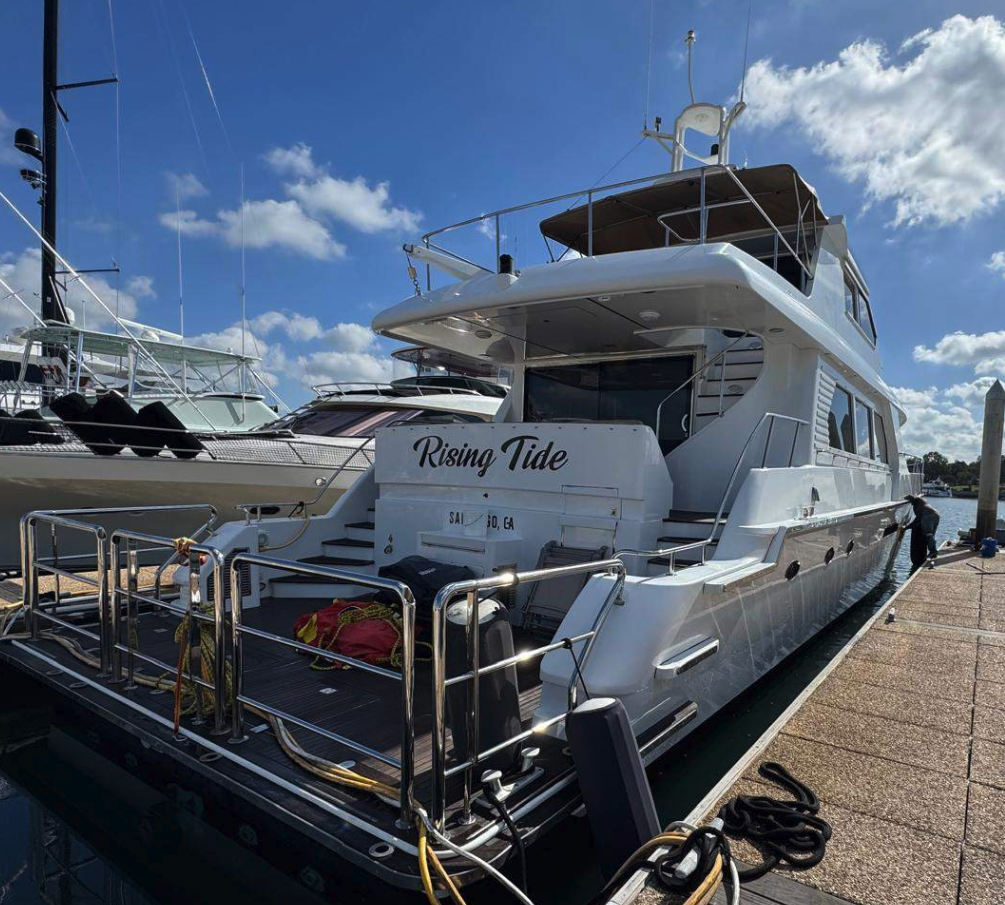
74ft Forbes Cooper yacht — onboard emergency procedures training for families, San Diego
The Program

What this actually is

I've had ten engine shutdowns in my career and a handful of genuinely bad moments at sea. The pattern in every one: the crews that practised were calm, and the crews that hadn't were chaos. The procedures themselves are simple. The difference is whether your family has physically walked through them on your boat.

We run this as a family session, not a lecture. Your spouse learns to stop the boat and make a Mayday call. Your kids learn their muster spot and their one job. You learn to run the response instead of doing everything yourself. Then we drill it on the water until it's boring — which is exactly what an emergency response should be.

Who It's For

You'll recognise yourself in one of these

Your spouse couldn't get the boat home

If something happened to you at the helm, the trip is over and the danger starts. One session changes that equation completely.

You take kids out regularly

Children do brilliantly in emergencies when they have a rehearsed job. They do badly when adults are improvising around them.

You know the gaps are there

The fire extinguishers have never been touched. The MOB gear has never been deployed. The thru-hull plugs are still in their packaging. Time to fix it.

The Curriculum

What we cover

01
Man overboard

Spot, point, turn, return, recover — every person aboard drilled in their role, including getting a real load back aboard.

02
Fire response

Where your extinguishers are, what they actually handle, fuel and electrical shutoffs, and the abandon decision point.

03
Flooding and damage control

Finding the water source fast, your thru-hull map, bilge systems, and emergency plugs — deployed, not just located.

04
Loss of power and steering

Anchor ready to drop, drift assessment, calling for help properly, and a tow rig that works.

05
Mayday and comms

Every adult aboard makes a practice distress call on your radio. Out loud. Properly.

Emergencies don't test your courage. They test what your crew rehearsed. Rehearse it once and the whole boat gets calmer — including you.

Straight Answers

Questions owners actually ask

Is this going to scare my family off boating?
The opposite, every time. Anxiety comes from the unknown. Once your spouse has stopped the boat and made a practice radio call, the water stops being a threat and becomes a place they have skills.
How young can kids participate?
If they can understand a muster spot and one job — usually around five or six — they're in. Their roles are age-appropriate and they tend to take them very seriously.
We're sailors, not powerboaters. Does it apply?
Fully. Sail-specific scenarios — crash stops under sail, MOB under sail, rig issues — are built in for sailing families.
What does it cost?
Training starts from $150. Every program is scoped to your boat, your goals, and the hours involved — and you get a fixed quote before we book anything. No hourly surprises.
Start Here

Request a free intro lesson

One hour on your boat, at your dock. No charge, no obligation. You'll get a straight read on where you're at, what to work on first, and whether this program is the right fit. If it's not, I'll tell you.

Or just call
858-230-5079

Keep Building

Related training