Training a DIY owner is a collaboration, not a service call. You do the work you are good at, I bring the sea time and the method, and we share one list. The goal is an owner who needs me less every month, which is exactly how I measure success.
If you tighten your own hose clamps, keep your own logs, and want a professional who works with that instead of around it, this is for you.
An owner who had already done half the list
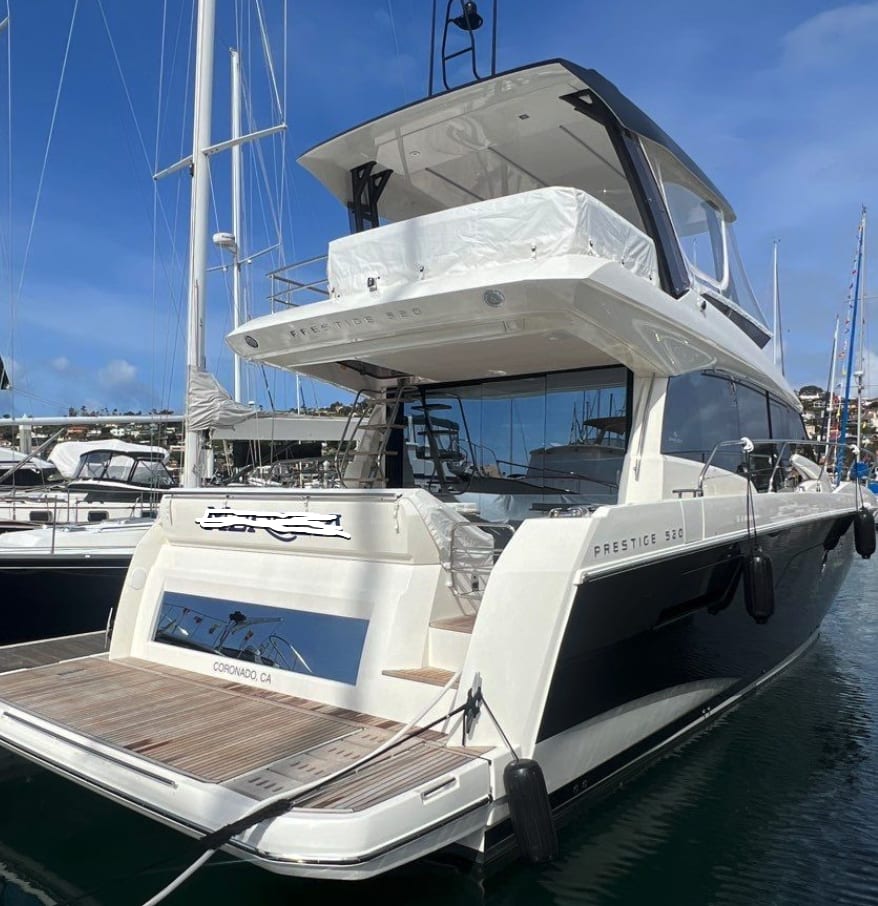
Dan runs a technical business, keeps spreadsheets for everything, and does not like paying for work he can do himself. Between our sessions he had been busy: tightened every loose hose clamp on the engines, load-tested his batteries instead of just reading volts, exercised his fuel valves, cleaned a bilge and noted what came back. Then he shared the list with me, which is the part most owners never think to do.
The marine industry does not really have a place for this kind of owner. Yards want the whole job. Some captains treat an owner's wrench as an insult. And the owner ends up doing his work in secret, which is the worst version, because nobody is cross-checking anybody.
How we trained through itTwo lists became one
We run it open-book. His work list and my findings live side by side, and every session starts with a swap: here is what I did and saw, here is what I found and suggest. On this boat that meant his clamp work got a second set of eyes, my fluid sampling picked up a diesel weep he could then monitor himself, and a generator pump seep went on the shared watch list with a photo instead of into anyone's blind spot.
Then the teaching happens inside the work itself. He does the checks with his own hands while I narrate the why: wipe the dipstick before you read it, note the bilge level before departure so change means something, photograph the same spots every visit so wear becomes visible instead of remembered. His spreadsheets turned out to be perfect for it, so we built the method into the tool he already loves. The training bends to fit the owner, never the other way around.
We also drew the line together, honestly, about where DIY ends. Consumables, inspections, monitoring: his. Below the waterline, structural, warranty work: professionals, with him watching and asking whatever he likes. And the line is not fixed. As his skills grow, it moves, deliberately, which is the entire point of training an owner instead of billing one.
And the honesty runs both ways. When the seacock conversation came up, good seamanship says close them when you leave the boat, I told him the truth: if this were my boat, I cannot sit here and say I would do it every time either. What matters is that he knows where every one lives and that each one will actually move when he needs it to. Owners trust a straight answer more than a perfect one.
We are encouraging you to go out and do this on your own. That is not a risk to my business. It is the business.
The outcomeA boat with two sets of eyes and one shared list
The boat now has a running shared record: his work, my findings, photos of the same spots, all dated. He does more himself every month and knows exactly which jobs still deserve a professional. Nothing on that boat is a secret from either of us, which is the healthiest state a vessel can be in. And when something does need outside hands, he walks in with documentation that makes him every contractor's favourite client.
The side of it he did not expect was how much more he uses the boat. Jobs that used to mean booking someone and losing a weekend now get sorted on a Saturday morning, which means the boat is available when the weather is good instead of waiting on someone else's calendar. Owners who can maintain their own boat go out more. That is the honest return on it.
What you can take awayA hands-on owner needs a partner, not a service call
If you like doing your own work, the help you need is not someone taking jobs off you. It is method, second eyes, and straight answers on the jobs you keep. That is a different relationship from hiring a tradesman, and it is worth setting up on purpose.
Share one list. When you and your support person work from the same job list, nothing gets done twice, nothing falls between you, and the boat stops being a mystery split across two heads.
Measure the relationship by how much less you need it for the basics. Good support shrinks itself on the routine work and earns its keep on the hard problems.
The differenceMost of the industry profits from your dependence
The standard marine model quietly prefers an owner who knows less: more calls, more callouts, more invoices. There is no judgment in naming that. It is just how the money works. My model runs the other way. I train owners toward independence, keep the jobs that genuinely need professional hands, and let the shared list keep everyone honest.
A DIY owner is the best possible partner for that model. You already have the instinct. What training adds is the method, the sea time behind the why, and a second set of eyes that answers to you.
How we do itHow we work with a hands-on owner
- One shared list. Your work and my findings, side by side, swapped at every session. No secrets in either direction.
- Teach through the task. You do the checks with your own hands while the reasoning gets narrated. Learn one, do one, teach one.
- Draw the DIY line together. Yours, mine, and a professional's, agreed openly, and moved deliberately as your skills grow.
- Document like a pro. Photos of the same spots, dates, findings. Your records are your boat's memory, and your proof of care on paper.
- Build on your tools. Spreadsheets, apps, a notebook, whatever you already use becomes the system, because a system you like is a system you keep.
- Straight answers only. Including the imperfect ones. Trust is the actual product here.
A hands-on owner does not need less help. He needs a different kind: method, second eyes, and a straight-talking partner working from one shared list. The goal is an owner who needs the professional less every month, on purpose.