New marine electronics do not make you safer until your hands know them. Familiarization means finding and labelling the master station, powering everything before the lines come off, turning the tracks on, and driving the menus yourself until they are yours. Test everything before you need it in anger.
If your helm just got new multifunction displays and the manual is still in its plastic, or you have four screens and no idea which one is in charge, this is for you.
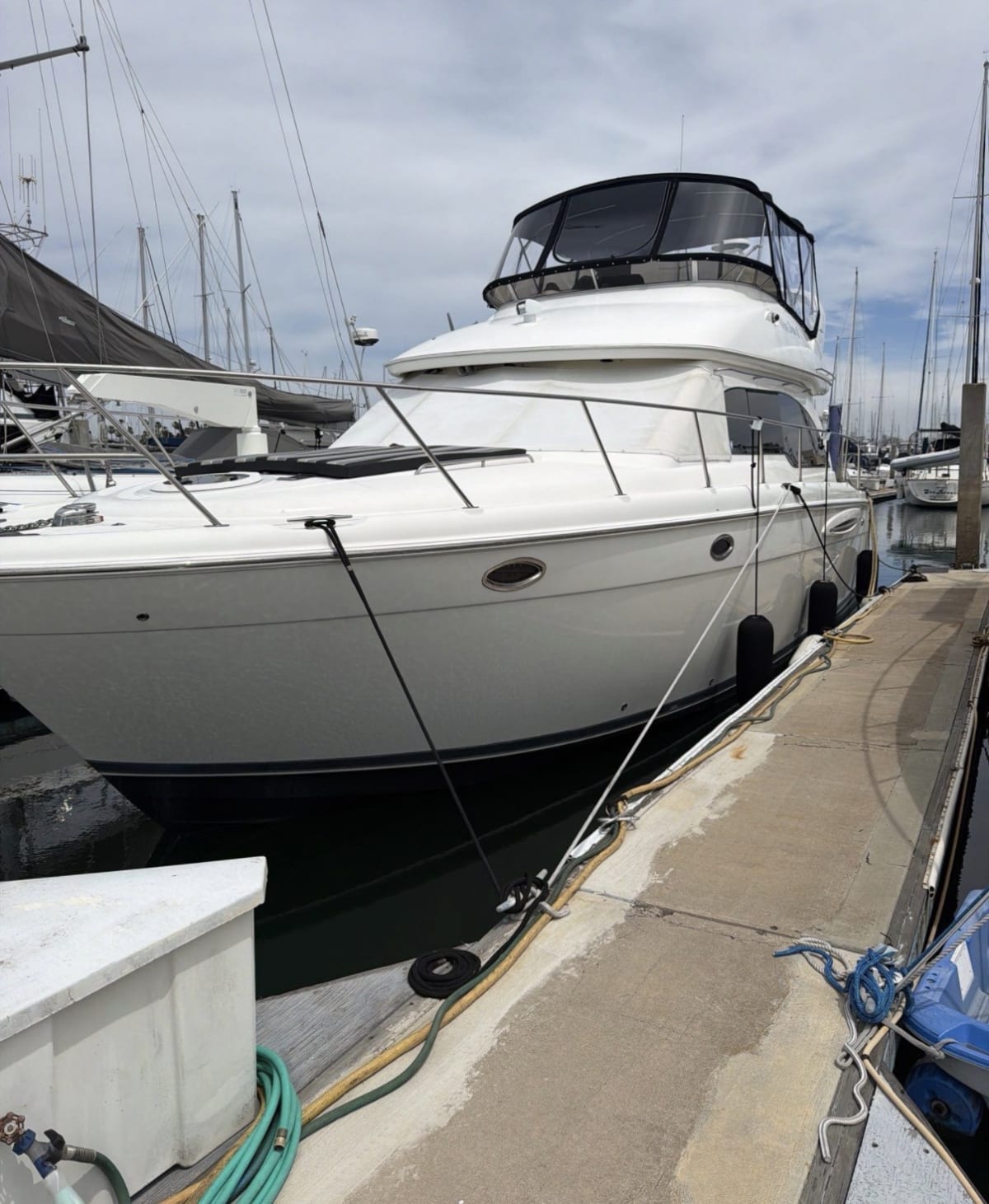
Four new displays and one honest question: which one is the boss?
Ray, as I call him in these pages, had just upgraded his helm. Four multifunction displays, fresh installation, everything talking on a network behind the panels. And the question every owner in his position has and few ask out loud: which one is the master? Boot warnings he was not sure whether to accept. A printout listing stations he could not map to screens. Ten thousand dollars of capability, unused, because nobody's job was teaching him.
He is no beginner. Navy background, decades of boats, a recent coastal run handled properly when the kelp blocked his intakes and the alarms lit up. The gap was not seamanship. It was that his instruments were newer than his habits.
How we trained through itWe made the helm his, one switch at a time
We started at the breaker panel and powered the network up together, reading the boot warnings properly instead of swatting them away. Then the master question, answered with a test instead of a guess: power one display down and watch the others. The screen whose absence strips the chart detail from the rest is the boss, usually the one holding the chart card. Found it, proved it, and put a label on it, because nobody should rediscover their master station mid-passage.
Then the operating habit that matters more than any menu: turn them all on, every trip, before the lines come off. Not to look flash. Because rebooting a display while you are getting slopped around at sea is bad seamanship, and because a helm fully lit at the dock is a helm fully tested. A plane does not take off and then check its instruments. I learned that discipline on a shadow boat crossing the Pacific, strapping down a deck full of toys to a captain who tested every lashing by trying to rip it loose. Weeks later, mid-ocean, nobody had to go outside. Test everything before you need it in anger.
Tracks went on next, permanently. His breadcrumb trail is his record of diligence: where he went, when, how fast. The day an insurer asks for a passage plan and a track, the owner with both is a professional and the owner with neither is a liability. Then we connected the ecosystem: routes built on the phone from home, out of state, synced to the helm when he steps aboard. For an owner who lives away from his boat, that turns the sofa into the chart table.
And all of it ran learn one, do one, teach one. I demonstrated once. He drove the menus. Then he explained it back while doing it again. He is coming back to rebuild the whole thing solo, and there is a one-page manual with his name on it so the knowledge does not live in my head.
“I've been wanting to do a captain session with you anyway.”
Ray, mid-session · name changed for privacyTest everything before you need it in anger. Some checks cannot be done once you are out there.
The outcomeThe multifunction displays finally earn their money
The master is found, proven, and labelled. Every display comes on before the lines come off. The tracks are recording. The warnings are understood instead of dismissed. And the owner drives his own menus, which is the entire point: the upgrade was never the electronics, it was him. Next on his list is the radar session, because a helm this capable deserves an owner who can use all of it.
What you can take awayNew gear upgrades the boat, familiarization upgrades you
Electronics do not make you safer until your hands know them. Drive the menus yourself, at the dock, until finding a function takes seconds instead of a search. Watching the installer do it does not count.
Power everything up and check it before the lines come off, every trip. Instruments that get tested at the dock fail at the dock, where failures are cheap.
And after any electronics work, check the systems around the new gear, not just the new gear. Installers focus on their own system, and boats are wired so that one change can quietly affect another.
The differenceInstallers install. Nobody trains.
Marine electronics has a handover problem. The installer commissions the system, proves it powers up, and leaves, job honestly done. The dealer sells the next upgrade. The manual assumes you will read four hundred pages. Between them all, the owner is left with a helm that can do twenty things and hands that know three.
Familiarization on your own boat closes that gap in an afternoon because it is curated to your exact units, your network, your alarms, and the trips you actually take. Not a course about electronics. Your electronics, made yours.
The reason the owner drives every menu himself, rather than watching me set it up beautifully, is that a helm somebody else configured is a helm you are renting. Knowing which button you pressed and why is what turns an expensive install into your own instrument. The upgrade was never the electronics. It was him.
How we do itHow we run electronics familiarization
- Power everything up together. Breakers to screens, reading every warning properly once, so they never get blindly dismissed again.
- Find and label the master. Prove it with the shutdown test, then label it. Network knowledge belongs on the panel, not in memory.
- All screens on before lines off. A fully lit helm at the dock is a fully tested helm. Booting at sea is not seamanship.
- Tracks on, always. Your breadcrumb is your record of diligence, for navigation and for the day anyone official asks.
- Connect the ecosystem. Phone to plotter and back, proven as a round trip on your own gear before you rely on it.
- Learn one, do one, teach one. You drive the menus and explain them back. A helm you can teach is a helm you own.
New electronics are an upgrade to the boat. Familiarization is the upgrade to the owner. Find the master, label it, light the whole helm before the lines come off, record your tracks, and drive the menus until they are yours.