Solo owner emergency drills are how you make an engine failure boring. The move is simple: stop the boat first. Steer your remaining momentum upwind, drop the anchor, and only then start working the problem. We drilled exactly that, live, with a San Diego trawler owner who runs his boat alone.
If you operate your boat single-handed, or your boat has been sitting unused for a few months and the first trip back is looming, this one is for you.
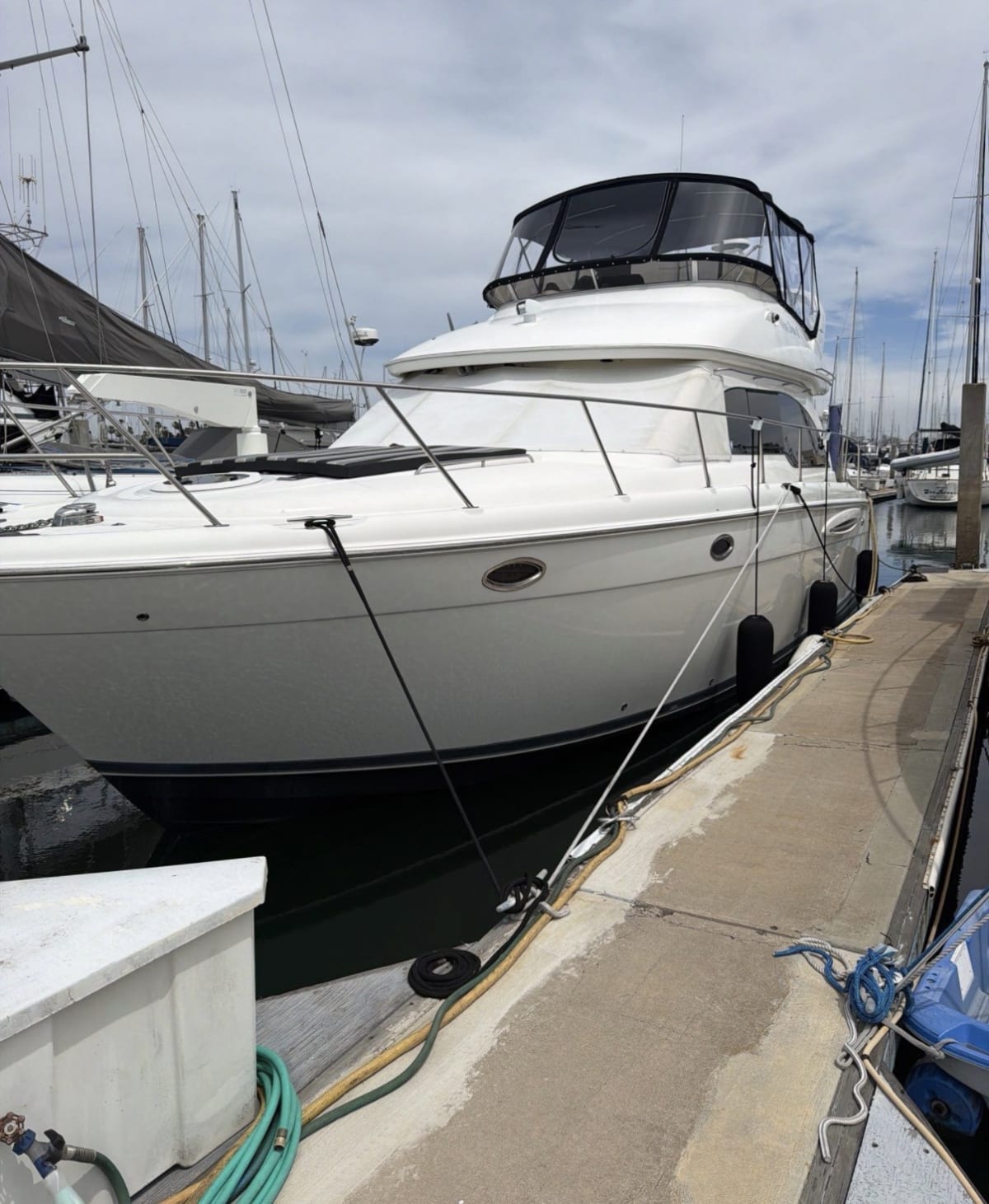
A boat that had been sitting, and an owner who runs it alone
The owner in this case runs a single-engine trawler by himself out of Mission Bay. The boat had been sitting for a few months, with mechanics and tradespeople aboard while he was away. That combination raises the odds of something going wrong on the first trip back, so before we untied a single line I asked him one question. If the engine shut down right as we pulled out of here, what would we do?
His honest answer: bounce off everything until it comes right. That is most owners' honest answer. So that became the whole lesson.
How we trained through itTest at the dock, ready the anchor, then fail the engine on purpose
We started tied up. A plane tests everything before it takes off, and a boat should too. Forward propulsion against the lines, then reverse, with some RPM to make sure it is there when needed. Steering lock to lock. Bow thruster. Radio on channel 16, volume checked, MMSI confirmed so a distress call carries his name and position. None of it took five minutes, and every check is also building data on what normal feels like on this boat, so anything not normal stands out next time.
Then the anchor. I took the securing shackles off the chain so it was held by the windlass brake alone, and we timed a drop right there in the slip. His only brakes if the engine dies are on the bow, and thirty seconds spent fiddling with a shackle could be the difference between stopping clean and collecting the boats around him. From now on the boat leaves the dock with the anchor ready to free-fall.
Out on the bay we ran the real drill. Engine shut down, no warning. He used the momentum the boat still carried to bring the bow upwind, buying the most room to leeward, then dropped the anchor. We let out scope until there was no doubt, because if in doubt, let more out. Then the important part: we did not touch the engine until we had confirmed the boat was actually stopped, and while we worked the problem he kept glancing up to check we were still in the same spot. You cannot get buried in an engine space while your boat quietly drags down onto someone.
I told him about a raft-up I was at recently. A 64-foot motoryacht came drifting across the anchorage with a line around her prop. No anchor down. The owner, in his seventies, was in the water diving under his own boat, no swim ladder deployed, no way back aboard. It took four tenders to push the boat clear and haul him out. If he had dropped his anchor at the first sign of trouble, he could have sat on his back deck with a drink and waited for a diver. Stopping the boat turns a crisis into a phone call.
The drills also earned their keep in a way we did not plan. The windlass free spool had seized from sitting, the chain feeder had popped out of its guide, and the depth reading was not making it to the helm display. Three faults, found on a calm practice day instead of a bad one, all on the fix list before they could matter.
We finished in close quarters, where anchoring is not an option. There the answer is fenders down and tie off to anything solid, even the boat you have just met, because the goal never changes: stop the boat moving. And for a single-screw boat at slow speed, steer before power. Set the rudder, then use the engine in short bursts. Slow and calm, so nobody's heart rate moves.
One more thing for anyone operating alone: a comfortable self-inflating life jacket you will actually wear. Solo, there is nobody to pull you back aboard.
The outcomeThe failure drill became routine, and the boat got safer on the same day
By the second run-through the shutdown was just a procedure. Momentum upwind, anchor down, scope out, confirm stopped, then troubleshoot. He docked the boat himself at the end of the session, slow and calm, while I kept my hands in my pockets. And the three faults the drills surfaced were being sorted that week, instead of surfacing mid-emergency.
The owner in this case. Name withheld for privacy.
He is going further now. Longer runs, less watching the clock, and the sort of trips he had quietly stopped planning while the what-if sat there unanswered. Knowing you can stop the boat and think is what makes the rest of the day enjoyable.
We ran the shutdown live rather than talking it through, and he did every step while I stood back. A procedure you have discussed is knowledge. A procedure your hands have run is a reflex, and reflexes are what turn up when you are on your own and it is real. That is the whole intent here. He is single-handed by choice, so the training has to work when nobody is coming.
How we do itThe solo owner drill routine
- Test everything at the dock. Forward, reverse, RPM, steering, thruster, radio with MMSI confirmed. Five minutes, before every departure, like a pilot.
- Make the anchor a one-move drop. Securing shackles off, chain on the windlass brake alone, and a timed practice drop so you know exactly what it takes.
- Fail the engine on purpose, in safe water. Run the whole response live: momentum upwind, drop, scope, confirm stopped. Once it has been done for real, it stops being scary.
- Stop the boat before you troubleshoot. Anchored, or tied to anything solid in close quarters. A stopped boat gives you unlimited time to make a good decision.
- Log what normal feels like. Every test builds your baseline, so a soft shift or a slow windlass gets noticed early instead of failing late.
- Repeat until it is boring. The drill is done when your heart rate stays flat. Then we make it harder.
Stop the boat, and a crisis becomes a phone call
An engine failure is only an emergency while the boat is still moving. The first move is always to stop: use your remaining momentum, get the bow upwind, put the anchor down. Then work the problem with all the time in the world.
Drill it before you need it. The sequence has to live in your hands, not in a note somewhere, because alone aboard there is nobody to read it to you.
Stage the practice: talk it through, walk it through at the dock, then run it live in safe water. An emergency you have rehearsed four times is boring, and boring is the goal.
An engine failure is only an emergency while the boat is still moving. Stop the boat, and a crisis becomes a phone call.