A refresher for an experienced owner is not a beginner course run slowly. It is a targeted rebuild of currency: waking skills that went quiet while you were away, then wiring them into the boat, the tools, and the electronics you own now. The seamanship comes back fast. The work is in what changed while you were gone.
If you have real time on the water behind you, maybe old licences in a drawer, but it has been years and the new boat is bigger or different, this is for you. You do not need the basics. You need currency.
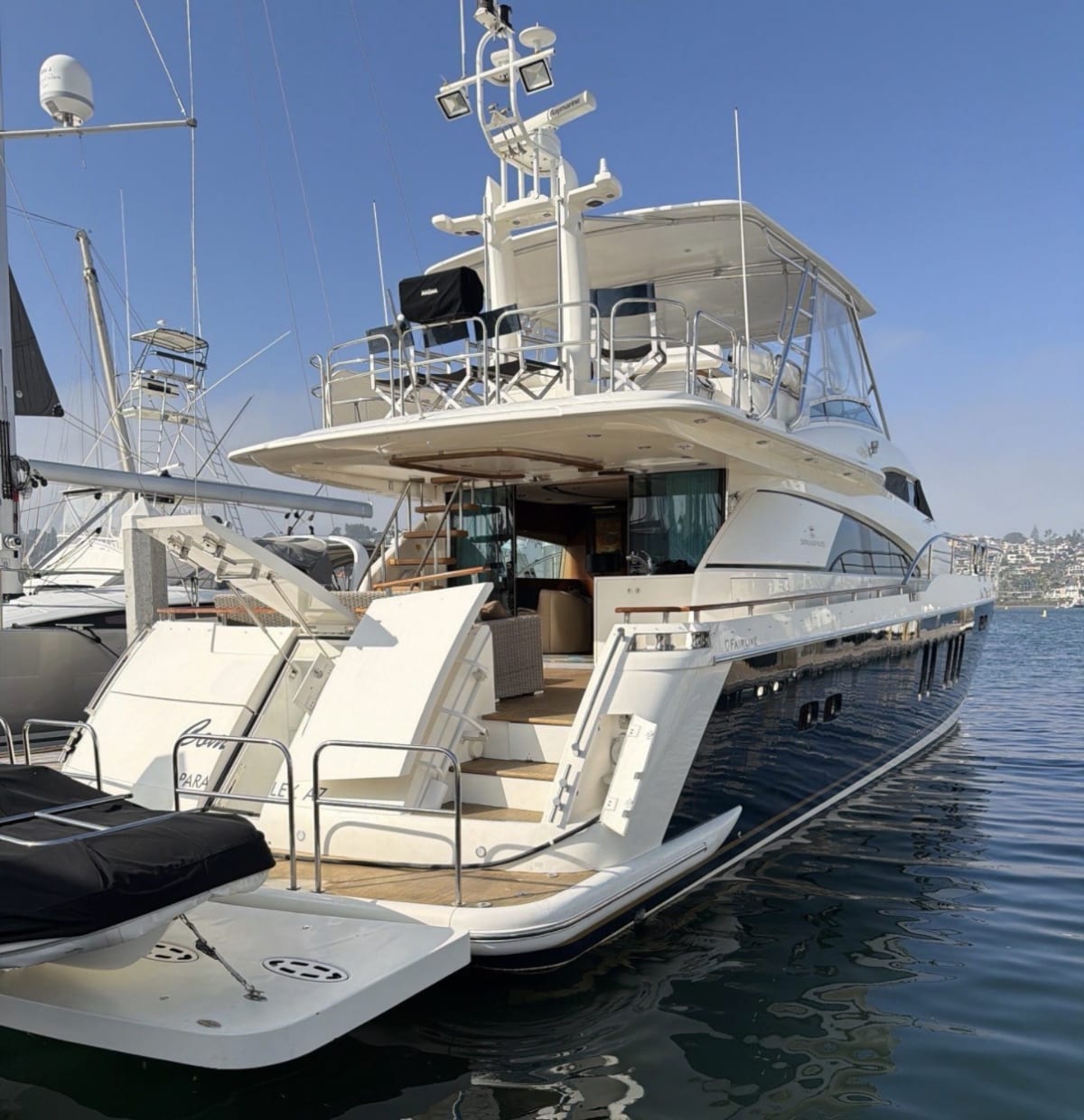
A lifetime of boats, and years since the last one
An owner stepped onto his new boat with more history than most instructors. Nine big boats owned over the years. A 200-ton licence, long expired. A pilot's discipline with checklists and briefings. And a straight admission you almost never hear out loud: he had been around boats his whole life, he just had not been on one in years.
The boat did not care about the history. She was a twin-engine flybridge in the mid-70-foot range, a type he had never run, with an electronics generation he had never used, and a stern thruster he was curious to finally feel after nine boats without a working one. Which turned out, in fine boat tradition, to have a flat battery. So the question was never whether he was capable. It was how fast we could make the capability current.
How we trained through itWe audited what moved, not what he knew
We did not run him through basics. We started from what he already owned and went looking for what the world had changed while he was away. His seamanship instincts were intact: read the conditions, plan the passage, brief the crew, never arrive at empty. What had moved was the toolset. Weather has gone from fax charts on the wall to a forecast in your pocket that shows wind, swell, and period for the whole passage. Passage planning has gone from paper and dividers to a chart app on your phone that speaks the same language as the plotter at the helm.
So that is where we worked. His phone, his thumbs, his muscle memory. Reading the wind roses, sliding the forecast across the hours of the passage, checking the swell period, building the route waypoint by waypoint with the old logic driving the new tool. Decades of instinct plugged straight into 2026.
Then we went and got the feel back. Characteristics work in open water: how she builds momentum, how long she takes to stop, measured against a reference point instead of a feeling. Splits, pivots, station-keeping in twenty knots of breeze. The flying background gave us hooks everywhere: checklists, briefings, contingency fuel, never landing at zero. He was not learning. He was remembering, with updates.
The one thing time away really costs you is the right to trust yourself immediately, so we finished with a loop that rebuilds exactly that. Homework: before the next trip, he texts me his weather read and I check his eye. And the next sessions were booked close together, because currency compounds when the reps are stacked and resets when they are spread thin.
Skills do not disappear with time away. They go quiet. The job is to wake them up and wire them into the boat you own now.
The outcomeCurrent again, on a bigger boat than he left with
By the end of the first day he had run the full modern pre-departure process, planned and executed a passage, and put a boat in the mid-70-foot range through pivots and station-keeping in real wind. The expired licence in the drawer stopped being a memory and started being a foundation again. The plan forward is reps: docking repetitions, an anchoring method, and a night passage, stacked close together, because he came back to enjoy the boat, not to renovate his confidence forever.
“You're unbelievable.”
Mike, the owner, on the drive home · name changed for privacyHe is planning trips again, which is the real marker. Not just day runs in familiar water but overnights and destinations he had quietly written off while the licence sat in the drawer. Getting current was never the goal in itself. Getting his range back was.
What you can take awayTime away dates your skills, it does not erase them
If you have been off the water for years, you are not starting again. Seamanship comes back fast. What actually needs work is everything that changed while you were gone: the boat you own now, the electronics on it, and the habits that went quiet.
Be honest about the gap instead of hiding it. Owners waste seasons pretending they are current because admitting otherwise feels beneath them. Naming the rust is what makes it quick to fix.
Target the refresher at your real boat and your real water. A generic course reteaches what you already know. A rebuild of currency works on what changed.
The differenceThe market has nothing for the returning owner
The returning experienced owner is the client the industry quietly fails. The certification courses are beneath you, and you would not sit through one. Hiring a captain solves the trip but confirms the doubt. And most training on offer is one generic curriculum, delivered the same way to every person who walks down the dock, which wastes half your day on things you have known for decades.
A proper refresher is curated to the person. We keep what held, update what moved, and spend the hours where your actual gap is. For this owner that meant modern tools and the feel of twin screws. For the next one it is something else entirely. Respecting what you already know is not a courtesy. It is what makes the refresher fast.
This is also why we started by finding out what he already had rather than running him through a syllabus. A returning owner does not need to be rebuilt, he needs the gaps found and filled, and treating him otherwise wastes his time and insults his experience. He was the captain of that boat the whole way through the day. My job was to be honest about what had moved on since he last drove, and then get out of the way.
How we do itHow we run a refresher for an experienced owner
- Start with an honest audit, not a test. A conversation about what you ran, how long ago, and what feels foggy. No assessment theatre.
- Keep what held, update what moved. Seamanship, collision rules, and weather sense age well. Tools, electronics, and apps do not. We spend the time on the second list.
- Do it on the boat you own now. Currency on your old boat is history. We build it on this hull, these engines, this helm.
- Use your hooks. Aviation habits, old commercial time, decades of past boats. Whatever you carry, we anchor the new material to it so it sticks in one pass.
- Stack the reps close. Currency compounds when sessions land while the last one is still fresh. Long gaps mean rebuilding instead of building.
- Finish current, not nostalgic. The goal is not remembering how good you were. It is being good now, on this boat, in this bay.
Time away does not erase seamanship. It dates it. A proper refresher keeps what you earned, updates the rest, and it is far faster than starting again.