When one partner gets properly trained, the whole boat changes. Arguments get settled by method instead of volume, docking stops being a performance, and the boat gets used more because a good day on the water no longer depends on one person. You do not need both of you in lessons for that to happen.
If one of you wants training and the other insists they do not need it, or you are the partner who gets handed a fender and shouted directions, this is for you.
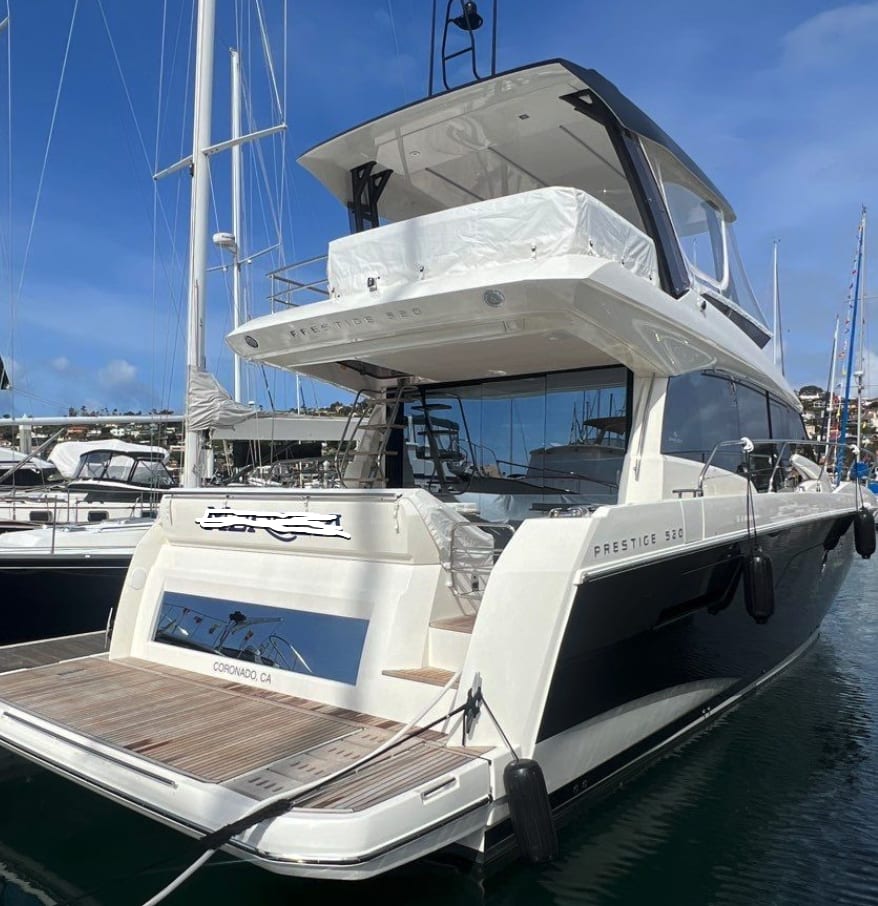
One willing student, one busy husband
Kate, as I will call her, books her own sessions. Her husband is a capable guy with plenty of time on the water who does not feel the need for lessons. No judgment in that. It is the most common arrangement in recreational boating, and it usually leaves one partner driving and the other feeling like cargo holding a fender.
Kate decided to be neither. Her goal was simple and specific: handle the boat herself, start to finish, including the parts that had always come with raised voices. Departures, close-quarters turns, docking, and the pre-start checks that get skipped when a household is in a rush.
How we trained through itWe built her competence, on her boat, at her pace
The sessions run on her boat, stacked close together on purpose. That cadence was her own observation, not mine: leave too long a gap and it feels like starting over, keep them close and the muscle memory compounds. She schedules accordingly, even squeezing a session in before travel so the progress does not leak away.
Every session starts where trouble actually starts, before the lines come off. A weather read on her own phone, translated to what the wind is doing to her dock today. Engines tested in gear, one at a time. The bow thruster confirmed on, which one morning it was not. And the anchor tested for an emergency free-fall, which is how we found the windlass brake wound so tight the anchor could not drop at all. That went on the service list instead of becoming a surprise underway.
The anchor test settled something else, too. Whether the anchor should be ready to drop leaving the marina had been a running debate aboard. She was right, and now it is not a debate, it is a procedure with a reason attached. That is the quiet power of method: it ends arguments without anyone having to win them.
Then the handling. I had almost no voice that day, which turned out to be the best teaching tool I have found. She narrated every move before she made it, stop the boat, split, counteract, and I mostly listened. When the student is doing the talking, the skill is doing the moving in.
None of it runs on strength. Kate trains with tendonitis in both elbows and it matters not at all, because the method is momentum, timing, and setup. Lines worked from on board, the boat stopped before anyone moves, small inputs early instead of heroic saves late.
“Being on the water just instantly takes my nervous system down.”
Kate, mid-session · name changed for privacyCalm at the dock is not a personality trait. It is a method, and either partner can learn it.
The outcomeThe boat has a second capable captain now
She backs the boat down a fairway now. She parks it at a fuel dock without anyone stepping off early. She gives the safety briefing when friends come aboard, and her checks have caught two real faults before they became incidents. Her own words at the end of a recent session: her brain is starting to get it, the muscle memory is landing. That is what it sounds like when confidence is built instead of borrowed.
The change they both noticed was in how the weekends feel. He can go below, cook, or sit down for twenty minutes without the trip stopping. She invites friends aboard now instead of quietly hoping the day stays easy. Two capable people on a boat does not just make it safer, it makes it a nicer place to spend a Saturday.
What you can take awayOne trained person changes the whole boat
You do not need both partners in lessons to transform how the boat runs. One person trained to genuine competence makes the vessel calmer, safer, and more used, because a good day on the water stops depending on one set of hands.
Method settles arguments that volume never will. When docking follows a spoken plan instead of improvisation, there is nothing to shout about, and the people aboard can feel the difference immediately.
Do not push a reluctant partner into training. Competence is contagious. When the boat gets calmer, the other person usually asks to learn on their own steam.
The differenceTraining one partner is not second best
The industry treats spouse training as an add-on, a nervous-passenger course bolted onto the real lessons. That misses what actually happens aboard. Train one partner to genuine competence and the whole vessel gets safer: two people who can bring it home, calmer docking, checks that actually happen, and a skipper who can finally take a break on his own boat.
And competence is contagious. There is nothing like watching your partner park the boat calmly to make lessons suddenly seem worth a look.
Worth saying plainly why the training goes to her and not through him. Skills passed on by a partner arrive with the whole relationship attached, and that is a hard place to learn from. Taught directly, she owns the skill outright rather than borrowing his version of it. She is the captain when she has the helm, and the boat treats her that way because she can actually do the job.
How we do itHow we train the partner who shows up
- Train the willing partner first. Waiting for both schedules and both egos to align is how nobody gets trained.
- Run it on your own boat. Confidence built on a school boat stays on the school boat. Yours has to work in your slip, in your wind.
- Stack the sessions close. Gaps reset progress. Momentum compounds it. Book the next one before the glow wears off.
- Start before the lines come off. Weather, engines, thruster, anchor. Half of confidence is knowing the boat is actually ready.
- Narrate the moves. Saying the plan out loud before each input builds the decision, not just the reflex.
- Let method settle the arguments. Procedures with reasons attached end debates that volume never will.
You do not need both partners in lessons to change the whole boat. One person trained to real competence makes the vessel safer, calmer, and more used, and it usually recruits the other in the end.