The choice between improving the boat you have and replacing it with one that already suits you usually stalls on emotion, not facts. The honest test is simple. Are you spending to make this boat what you want, or avoiding a bigger decision one small job at a time? Here is how we work it through with owners.
If you find yourself endlessly chasing the perfect version of the boat you have, putting off real work on it while eyeing better ones, and never quite pulling the trigger either way, this is for you. It is one of the most common places owners get stuck, and there is a clean way through it.
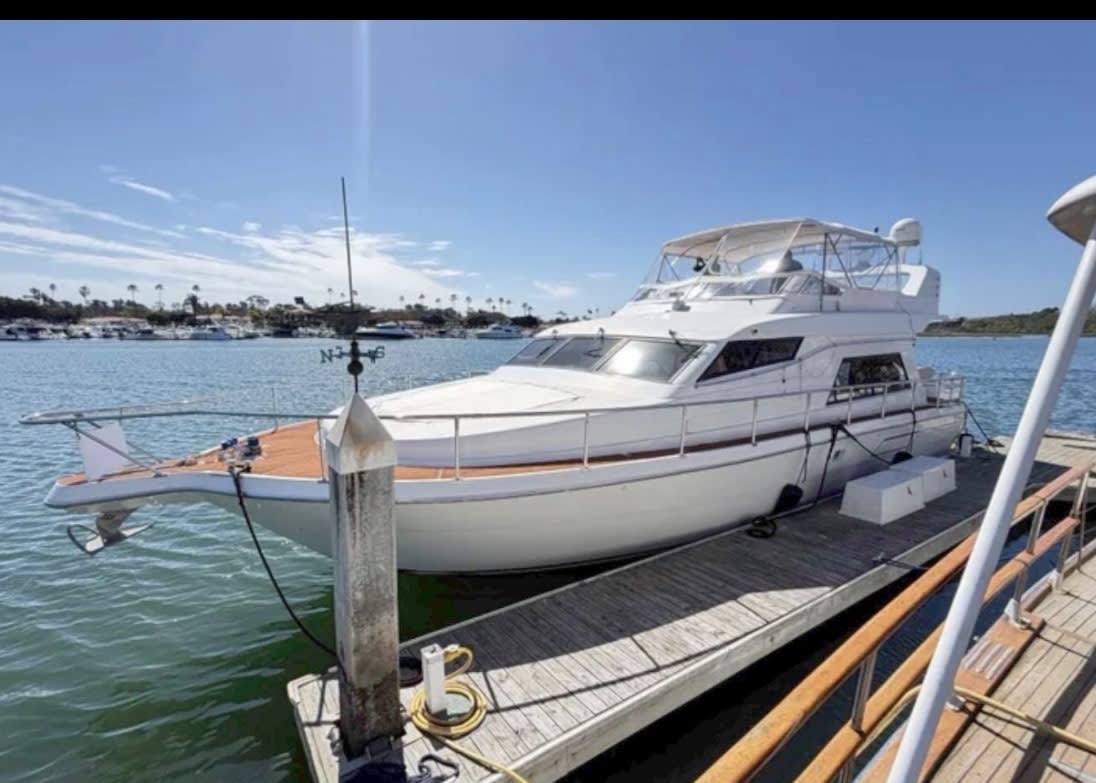
The fork: keep perfecting this one, or move to the one that already fits
It shows up the same way most times. You like your boat. You know it well. But it is not quite what you want, and rather than commit the money to make it right, you keep looking at bigger and better ones without committing to those either. So you get the worst of both. A boat you are quietly unhappy with, and a decision you never actually make.
The trap underneath it is comfort. We get attached to what we know, even when it frustrates us. The boat you know feels safer than the one you would have to learn, so the easy move is to do nothing, or to fix one small thing and call it progress.
How we think it throughNo boat is ever perfect, so the question is which imperfect boat you want
The first thing to get straight is that there is no perfect boat waiting at the end of this. Every boat has a list. Replace this one and the new one will have its own. So the goal is not perfect. The goal is a boat whose list is short, and whose big things, the ones that actually shape your enjoyment, are already the way you want them.
That reframes it. If you are pouring money into a boat to chase things it will never quite have, and a different boat already has those things, you may be spending to avoid a decision rather than to solve a problem. The frustrations that are really about the boat being wrong for you will follow you to the next one too, unless the next one is genuinely a better fit.
Bigger is its own trap here. Owners often assume the answer is a larger boat. Sometimes it is. But bigger usually means harder to handle, often needing crew, and a longer list of things to look after. If part of what you love is running the boat yourself, a bigger boat can quietly take that away. The right boat fits how you actually use it, not the biggest one you can justify.
The steerGet honest about the money, then put feet on the ground
Two moves usually break the stall. The first is an honest look at the money you are, or are not, spending. If you will not put the money into this boat to make it right, that is useful information. It usually means that somewhere you already know this is not the boat. Naming that out loud is half the decision.
The second is to stop deciding in the abstract and go look. Put feet on as many boats as you can. Nothing cuts through a stalled decision like standing on the alternative and feeling either yes, this, or no, not this. Owners talk themselves in circles for months and then settle it in an afternoon on the right boat.
And if you do move, the skill you built getting good on this boat comes with you. The confidence that got you here is not tied to the hull. You will learn a new boat too. Knowing that removes a lot of the fear that keeps people stuck.
You are not choosing between an imperfect boat and a perfect one. You are choosing which imperfect boat you actually want to own.
Where it landsA decision made on fit and facts, not comfort and habit
Worked this way, the decision stops being scary and starts being clear. You get honest about whether you will ever really commit to the boat you have. You go and stand on the alternatives. You separate the frustrations that are about this specific boat from the ones that follow any owner around. And you decide on fit, on how you actually use the boat and how long it will suit you, rather than on the comfort of the familiar. Whichever way it goes, you come out having actually chosen, instead of drifting.
What you can take awayStop chasing perfect, start choosing fit
If you are not willing to spend what it takes to make your current boat right, that reluctance is telling you something. Listen to it.
No boat is perfect, so pick the one whose big things already fit and whose list is short. Do not spend years and real money trying to turn the wrong boat into the right one.
Go look at boats in person before you decide anything. A stalled decision usually breaks the moment you are standing on the alternative.
The differenceSomeone in your corner while you decide
This is the kind of call where owners most want a straight, disinterested opinion, and least often get one. Brokers want the sale. Yards want the work. Friends have opinions but not the full picture. Sitting on your side of it, with no boat to sell you and no job to fill, is exactly where guidance earns its place.
You make the decision. Always. But you make it with someone who has watched a lot of owners stand at this same fork, and can tell you honestly what usually lies down each road.
How we do itHow we work a keep-or-replace decision
- Name the real question. Are you improving this boat, or avoiding a bigger decision one small job at a time?
- Follow the money you will not spend. Reluctance to invest in the boat you have is usually the answer, spoken quietly.
- Separate the boat from the owner. Sort the frustrations that are about this specific boat from the ones that follow any owner to any boat.
- Right-size, do not just upsize. Fit how you actually use the boat, not the biggest one you can justify. Bigger often means crew and more to look after.
- Put feet on the ground. Go stand on the alternatives. Decisions that stall in the abstract get made fast in person.
- Leave the call with you. I lay out where each road usually goes. You decide.
There is no perfect boat, only the one whose big things already fit. If you will not spend the money to make your current boat right, that is usually your answer. Go stand on the alternatives and decide on fit, not habit.